
On Monday of last week, millions of men, women and children celebrated the birthday of Dr. Martin Luther King, Jr. in church ceremonies, plays, marches and speeches throughout this country and all over the world. All of these celebrations were primarily based on the dream that Dr. King expounded during his 1963 speech in front of the Lincoln Monument. Here in San Antonio, the city has even adopted a “Dream Week” that runs from January 11 to the day after the King March. It can easily be surmised that the Dream has taken the front and center position in the entire Civil Rights Movement of the twenty-first century.
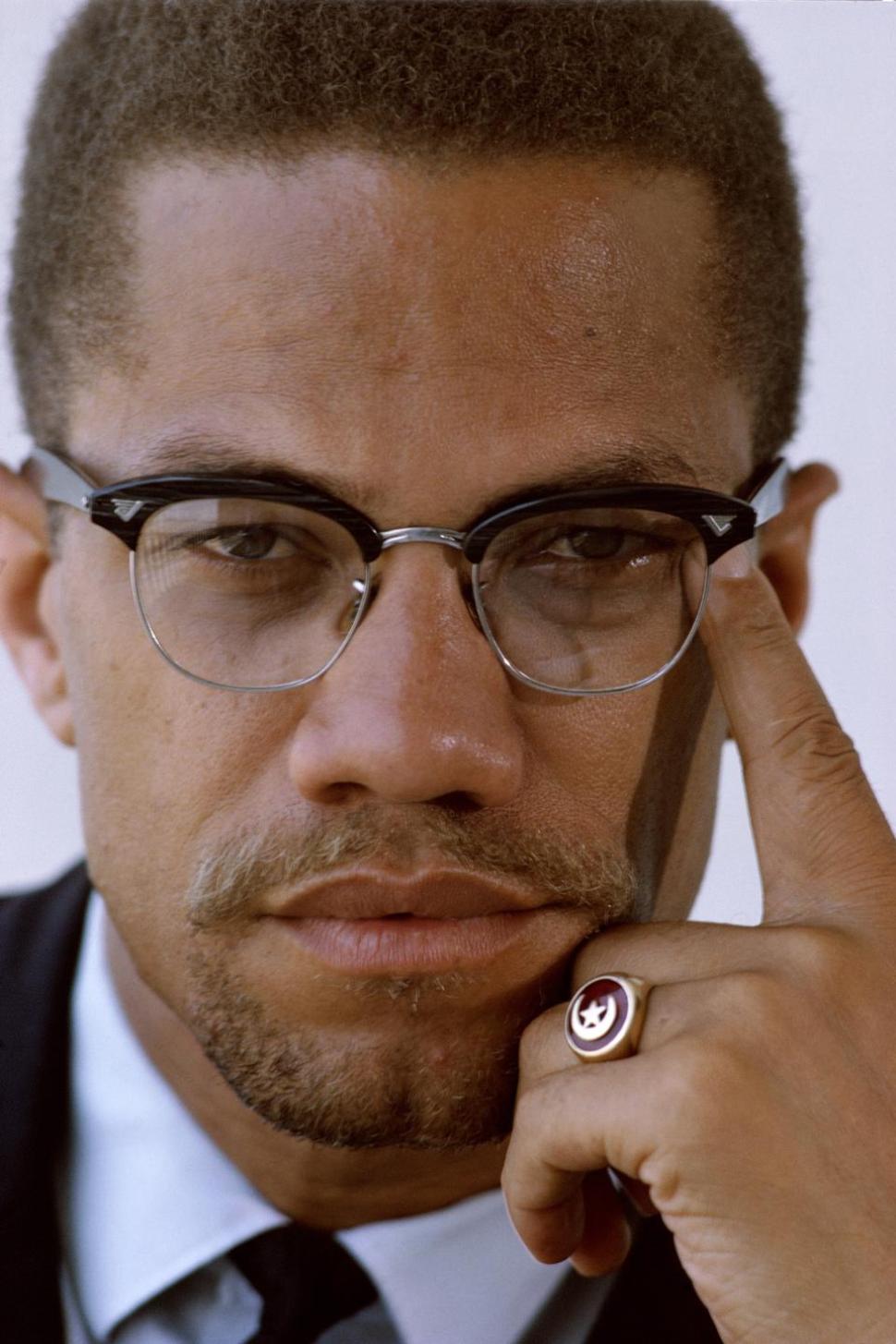 However nine months after the famous King speech, Malcolm X challenged the premise of the Dream in a speech delivered at the University of Ghana. He exclaimed, “So if someone else from America comes to you to speak, they’re probably speaking as Americans and they speak as people who see America through the eyes of an American. And usually those types of persons refer to America as the American Dream. But for twenty-million of us of African descent, it is not an American dream, it is an American nightmare.”
From a historical perspective we had two Black leaders viewing the plight of their people from different lenses. These two points of view still exist today and speak to the division within the race. No doubt for many Black Americans, King’s dream has become a reality and they function well within an integrated, capitalist system. But for far too many of the very people that King set out to help prosper, they still remained trapped right in the middle of Malcolm’s nightmare.
You need only go to any large city in this country and the pattern of economic deprivation is the same. There are no jobs for the youth and only minimal jobs for an unacceptable percentage of adults. While the national unemployment rate had fallen in 2015 to a low 5%, the rate for Blacks still hovers above 10%. And the figures for young Blacks between the ages of 16 and 19 are astounding. Over the years it has been 393% of the national average. In 2013, the figure was 36% while the national average was 7.3%. When measuring these statistics against the dream or the nightmare no doubt the latter prevails.
An even more devastating statistic is the number of young Blacks who are the victims of violence. In the years 2008 and 2009, 5,740 children and teens died from gunfire. Of that number 3,892 were homicide victims and 2,320 were Blacks. Again, measuring these statistics against the dream or the nightmare the answer as to which one prevails is quite evident.
We are now confronted with the deplorable situation in Flint, Michigan where our children and adults have been drinking, washing and bathing in water that has been contaminated with lead. These children, as well as adults, will suffer the consequences of this evidently deliberate refusal to cure the problem by the elected officials in the state of Michigan, for the rest of their life. If one were to ask the men, women and children in Flint if they view their condition as part of a dream or nightmare, there is no question how they would respond.
 I am not trying to make an empirical argument in support of Malcolm’s nightmare analogy but only to point out that we have a long ways to go before the dream is realized, for not only a few, but everyone. At some point we must stop placing the emphasis on the Dream aspect of Dr. King’s speech but more on the un-cashed check that was the real message he delivered in 1963. When his speech is examined from that perspective it becomes quite compatible with Malcolm’s nightmare and unites the two leaders in their outlook on the condition of Blacks in this country.
As we begin the second half of the second decade of the twenty-first century, those Black Americans who have achieved the dream must pause in their savoring of success and realize that we still have a great deal of work before us. They cannot afford to be content until no Black man, woman or child is left behind. And that simply means that the unemployment rate among Blacks is equivalent to the national average, the killing of our youth by the police and from gang warfare ends, and that Black Americans are given the same opportunities to succeed in a country that claims to offer equality to all.

 thewriterfred