Making My Way To Harlem: An Innovative Novel of the Harlem Renaissance

While Adjunct Professor at the University of Texas at San Antonio, I taught a class titled, “Novelists of the Harlem Renaissance.” That was after my visit to Harlem during the 2002 Harlem Book Festival. From that time on I have been dedicated to writing a historical novel on that most glorious period, a period that Langston Hughes called “when Harlem was in vogue.” After ten years and extensive research, I have finally published my third historical novel, Making My Way to Harlem A Novel About the Harlem Renaissance.
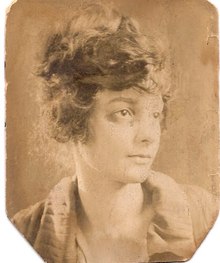
Regina Anderson
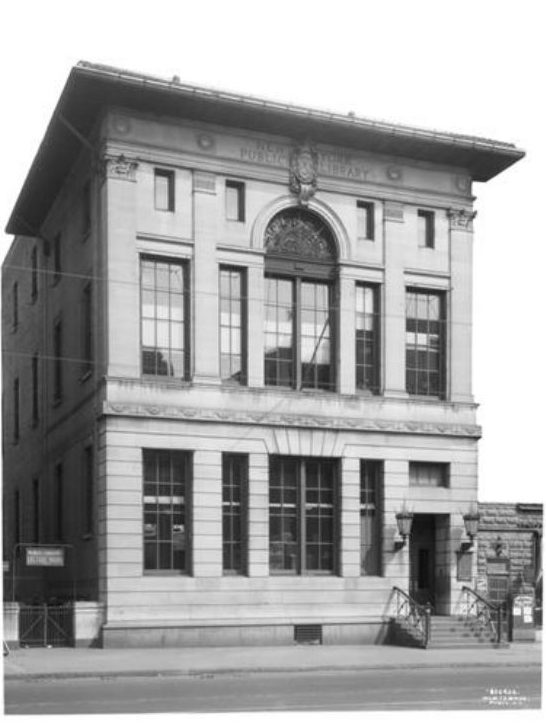
135th Street Library

Within the pages of this novel, I have brought to the reader some of the most important literary giants of that period. You will meet Langston Hughes, Countee Cullen, Dr. W. E. B. Du Bois, Zora Neale Hurston, Jessie Fauset, A. Phillip Randolph, James Weldon Johnson, Dr. Alain Locke, and many other artists who made that period so fantastic. You will walk down Lenox Avenue to 135th Street and right into the famous 135th Street Library where Regina Anderson held poetry readings and intellectual conversations among the literary elite of the community.

The Famous Cotton Club

There was also another side of Harlem where the majority of the people lived. You will visit a rent party and a tenement apartment, places where the Harlemites struggled to survive. You will also visit Harlem night nightlife, with stops at the Cotton Club, Connie’s Inn, and the Sugar Cane Club.

The renowned actor Danny Glover has written the Foreword to this novel and strongly urges all lovers of history and those who enjoy a good and informative story to add Making My Way to Harlem as a must read on their reading list.
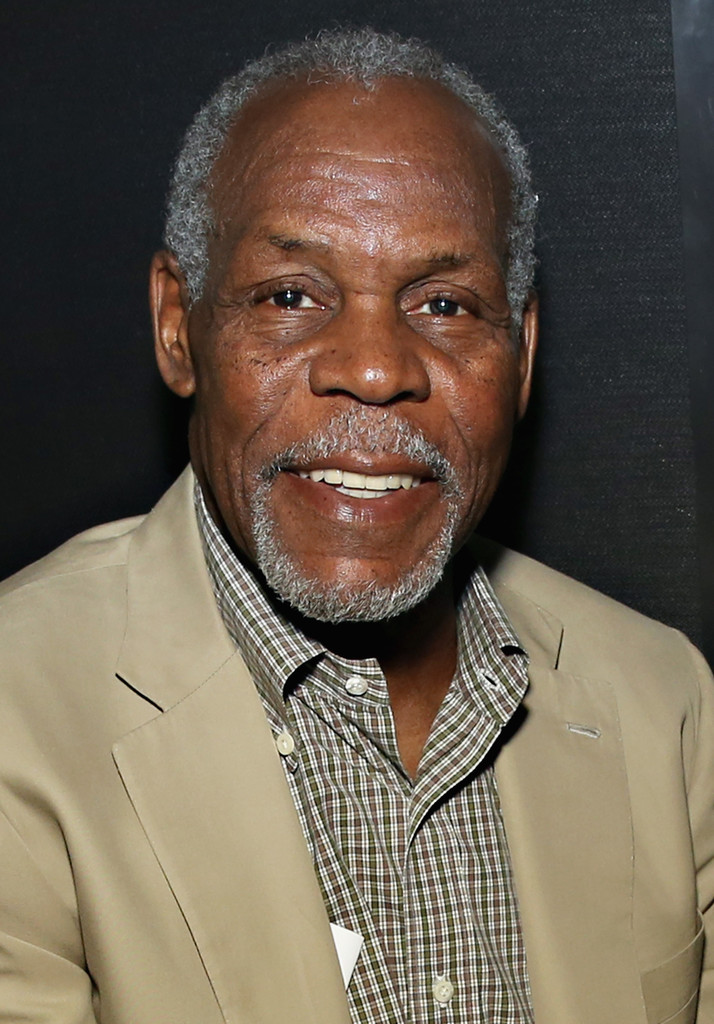
Danny Glover

This novel is available on Amazon, Barnes and Noble, and BAM. If you would like an autographed copy of the novel, you can go to the publisher’s website, Pairee Publications, LLC and purchase it. You will definitely agree that this is an entertaining and informative read.
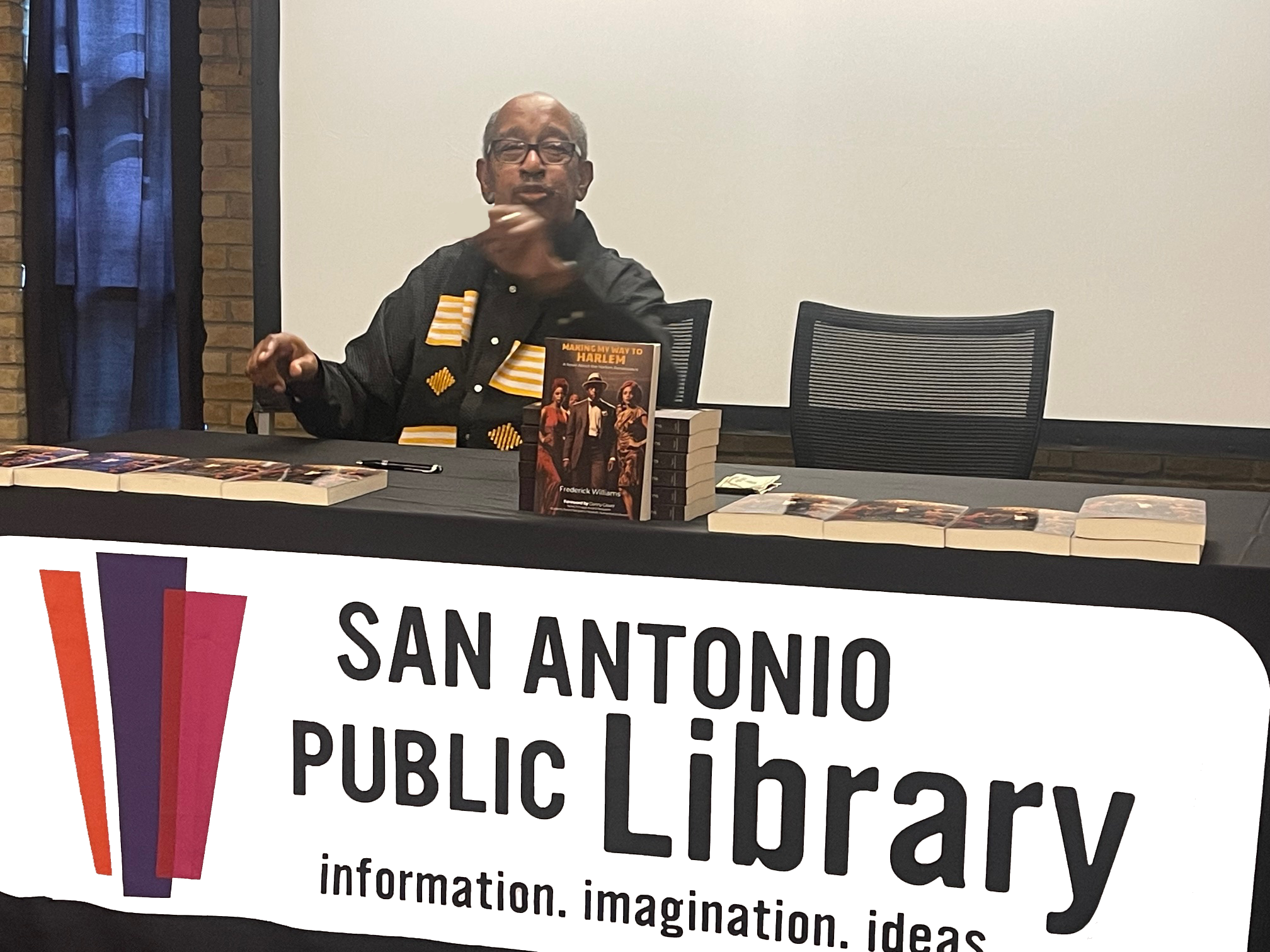
Fred Williams Book Signing at the Public Library

Meet the Best Young Writers in the Country!

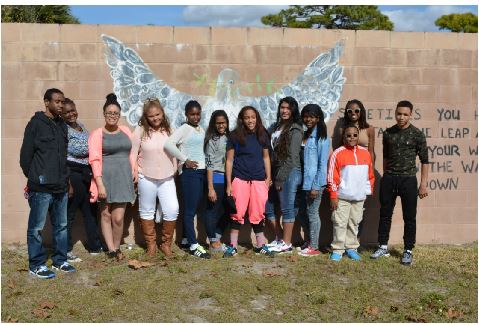
Young Writers Workshop Participants | Zora Festival 2015

This past weekend I had the honor and privilege to conduct a creative writing workshop, at the Zora Neale Hurston Festival for the Arts and Humanities in Eatonville, Florida. What made this an exceptional workshop is that the participants were twelve young men and women in grades eight through high school, from Dallas, San Antonio, Chicago, Atlanta and Silver Spring, Maryland. They sat through two intense sessions on Friday and Saturday, thoroughly engaged in the information disseminated to them by Petra Lewis, Tony Lindsay, D. L. Grant and me.

We touched on the elements of the craft of writing effective fiction to include theme, plot, character development, dialogue, setting and scenes. On the final day of the session, we had them to do an opening for a short story they planned to write over the next six months for future publication as an anthology. They tossed and turned in the chairs, got up, stretched, frowned and struggled, but ultimately they read their openings to us. We all were floored and thrilled with the creative words that they had penned to paper and as they read them aloud, we smiled. We knew, right in that room, late Saturday afternoon, that we had some of the most talented, creative young writers in the country. But we also knew, there are many more young talented writers that did not have the opportunity to participate as these youngsters did. The question we pondered was why isn’t this talent being captured in the public schools?  If not for the interest we took in reaching out to find the talent, to work with the talent and to help perfect the talent, many of these young folks would never be recognized for their talent.

We often hear leaders talking about how to improve the quality of our neighborhoods and communities. Let me make a suggestion. Join us in our continuing effort to work with our young, as they develop their skills as writers. And while developing those skills, they also improve on their reading levels. During our session with the youth, one of the students asked the question was it necessary to read in order to be a good writer? I suggested that mediocre writers never read, but great writers not only write, but also read. The point is, you read to become a better writer and to also understand your history and heritage. It helps you to know who you are and allows you to express it through your writing.

I will continue to work closely with my twelve young writers, as they perfect their short stories for publication in the fall. I will also, with the assistance of the adults who served as chaperones for the three days the students were in Eatonville, begin to plan our workshop for next year at the Festival. In 2015, we had only twelve students but next year we plan to double that number and the following year add even more students. Eventually, we can conduct these workshops in different parts of the country, and the number of talented writers will constantly grow. This may not be the perfect solution as an answer to improving the quality of life in many of our communities, but it is what we, as writers, have to offer. Hopefully, others in various professions will do the same. Finally, we do not commit to this for pay but for passion. Do something because it is the right commitment to make and it will always be a more perfect product than when you do it for money.  When we finished our session on Saturday afternoon, all twelve of our writers jumped up and shouted, “We are the best,” and as you look closely at them in the picture that accompanied this post, you are viewing a future Pulitzer Prize Winning Author because they really are the best.