In Times of Crisis Black Publishers Prevail

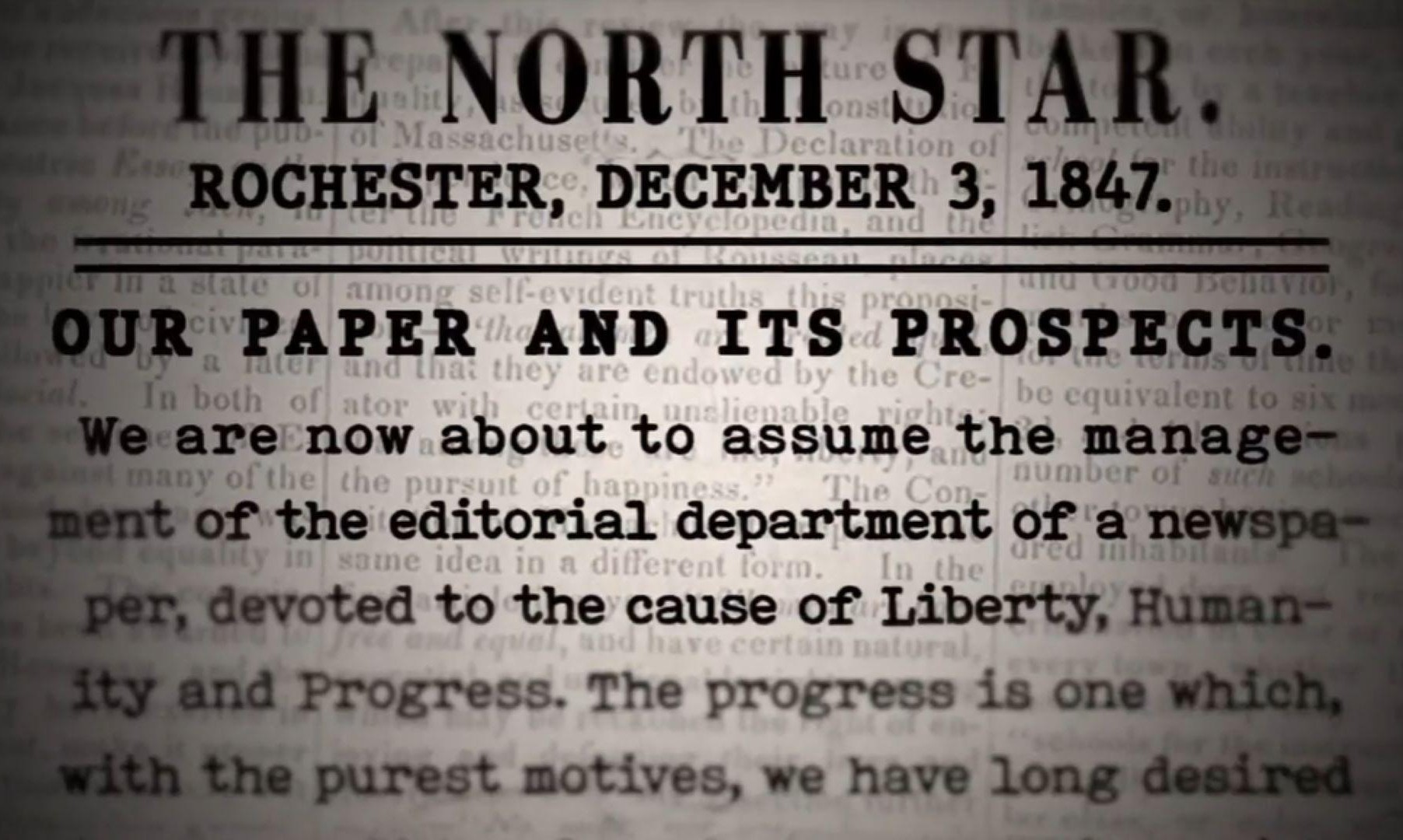
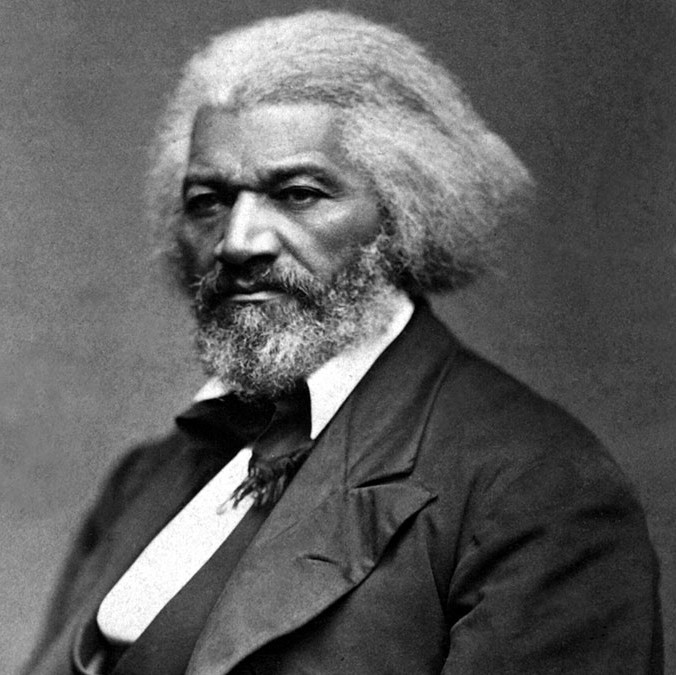
During various periods in this country’s history when Black America has confronted crisis, the Black publishers have used the pages of their newspapers to confront the racist forces threatening the rights of their people. Their roles as protector of a people began as far back as 1827. In that year two men, John Russwurm and Samuel Cornish used the pages of Freedoms Journal to oppose negative stories about Blacks printed in the pages of the New York newspapers and those papers that supported slavery. The Freedoms Journal was succeeded in 1847 by the great abolitionist Frederick Douglass’s North Star, an influential anti-slavery newspaper. The name of Douglass’s newspaper paid homage to the fact that escaping slaves used the North star in the night sky to guide them to freedom. The motto of his paper was “Right is of no sex-Truth is of no color-God is the Father of us all, and we are brethren.”

THE NORTH STAR

In the year 1889 Ida B. Wells Barnett bought an interest in the black Memphis Free Speech and Headlight newspaper and two years later began publishing editorials that condemned the “thread-bare lie,” of rape that whites used to justify lynching of Black men. She was so effective that her newspaper was destroyed and she was forced to leave Memphis. Andrew Smitherman was the publisher of the Tulsa Star during the period when the Black community prospered in that city.

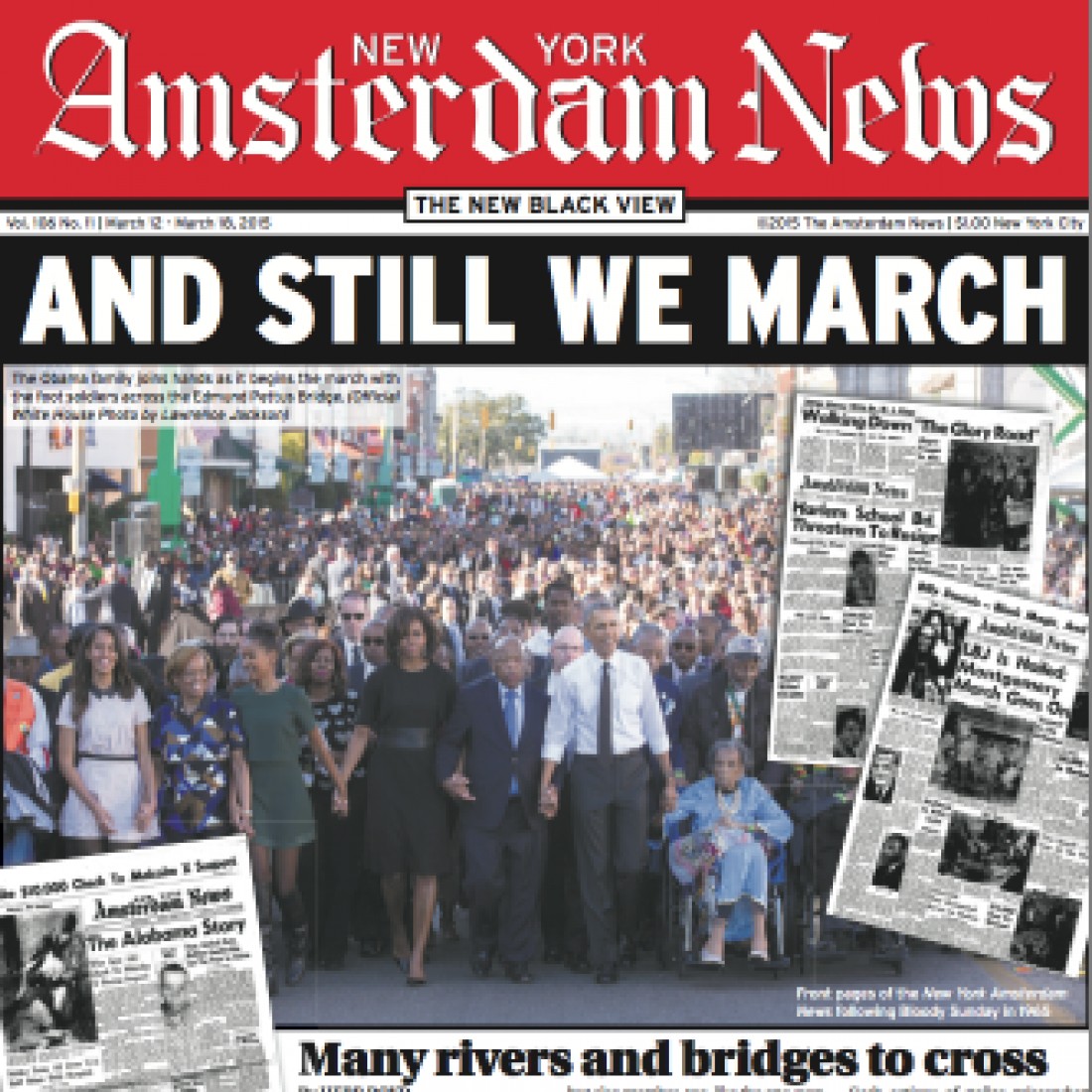
In his editorials he attacked the racism that existed and urged Blacks to stand up for their rights. His motto was, “You Push Me and I Push You.” He was one of the many heroes of Black Wall Street. The great Harlem Renaissance and the growth of that community with all of its ups and downs was covered by the Amsterdam News.

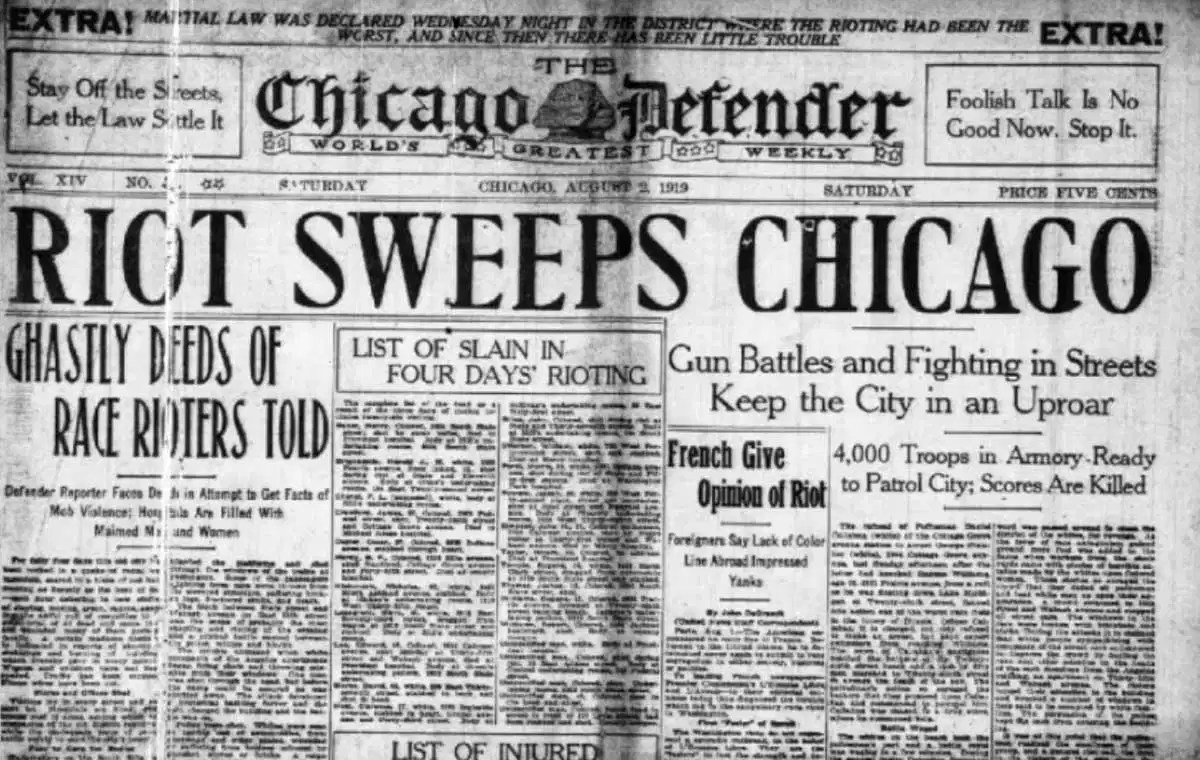
The most active and influential Black newspaper in the history of this country was the Chicago Defender and its publisher Robert Abbott, established in 1905 at the apex of Jim Crow Laws.

Abbott wrote extensively about the evils of racism and his motto for his paper was “American race prejudice must be destroyed.” He also encouraged Blacks in the South to leave that part of the country and move North where the job opportunities and the condition of living far exceeded that in the South. The Pittsburgh Courier, Baltimore African American, were other influential newspapers during our times of crisis.

We stand on the shoulders of those great newspapers and their publishers. We are now facing a crisis from the MAGA movement and if successful will jeopardize our children’s future in this country. If MAGA succeeds then our children and future generations will not enjoy the freedoms we have experienced over the years. In the past the newspapers mentioned stood up and fought back with the power of the pen. It is now our turn to do the same in the pages of the many outstanding Black newspapers and on all platforms of communication. with some of the best writers in the country. Let us all exercise the power of the pen on behalf of the 48.3 million Black Americans.

Making My Way To Harlem: An Innovative Novel of the Harlem Renaissance

While Adjunct Professor at the University of Texas at San Antonio, I taught a class titled, “Novelists of the Harlem Renaissance.” That was after my visit to Harlem during the 2002 Harlem Book Festival. From that time on I have been dedicated to writing a historical novel on that most glorious period, a period that Langston Hughes called “when Harlem was in vogue.” After ten years and extensive research, I have finally published my third historical novel, Making My Way to Harlem A Novel About the Harlem Renaissance.
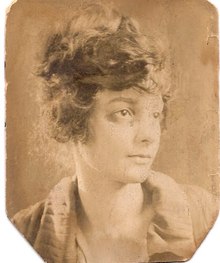
Regina Anderson
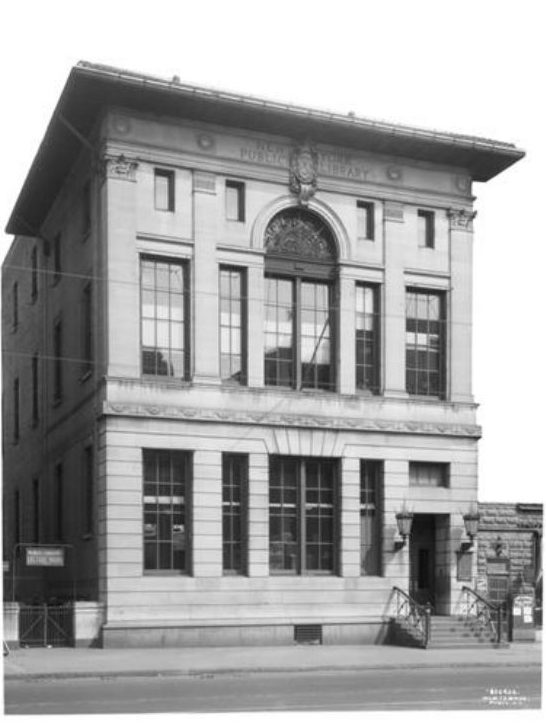
135th Street Library

Within the pages of this novel, I have brought to the reader some of the most important literary giants of that period. You will meet Langston Hughes, Countee Cullen, Dr. W. E. B. Du Bois, Zora Neale Hurston, Jessie Fauset, A. Phillip Randolph, James Weldon Johnson, Dr. Alain Locke, and many other artists who made that period so fantastic. You will walk down Lenox Avenue to 135th Street and right into the famous 135th Street Library where Regina Anderson held poetry readings and intellectual conversations among the literary elite of the community.

The Famous Cotton Club

There was also another side of Harlem where the majority of the people lived. You will visit a rent party and a tenement apartment, places where the Harlemites struggled to survive. You will also visit Harlem night nightlife, with stops at the Cotton Club, Connie’s Inn, and the Sugar Cane Club.

The renowned actor Danny Glover has written the Foreword to this novel and strongly urges all lovers of history and those who enjoy a good and informative story to add Making My Way to Harlem as a must read on their reading list.

Danny Glover

This novel is available on Amazon, Barnes and Noble, and BAM. If you would like an autographed copy of the novel, you can go to the publisher’s website, Pairee Publications, LLC and purchase it. You will definitely agree that this is an entertaining and informative read.
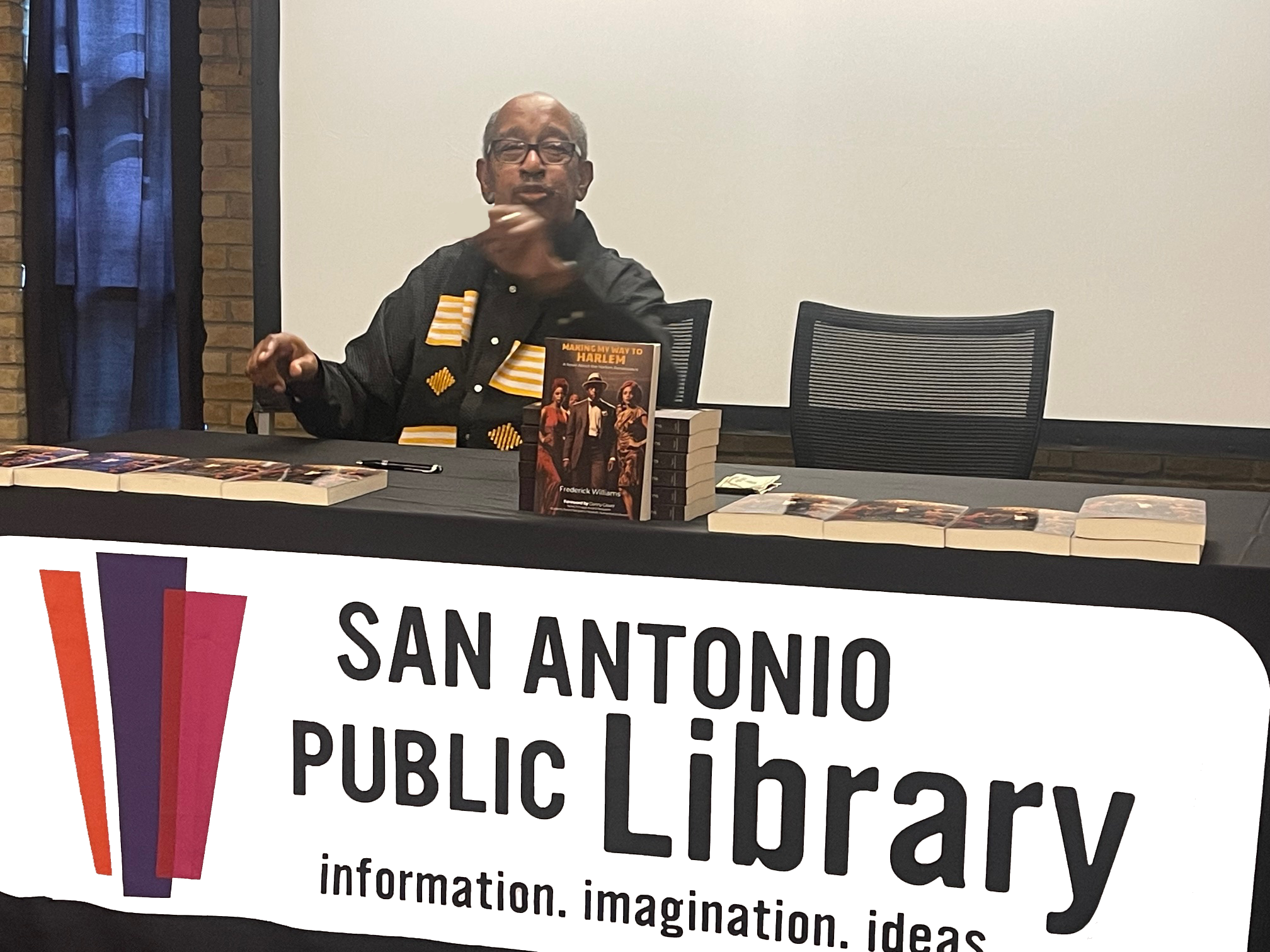
Fred Williams Book Signing at the Public Library